
Meme Coin Rug Pull in 2026: Know Update Now
In This Article
Quick overview
Meme Coin Rug Pull in 2026: Know Update Now
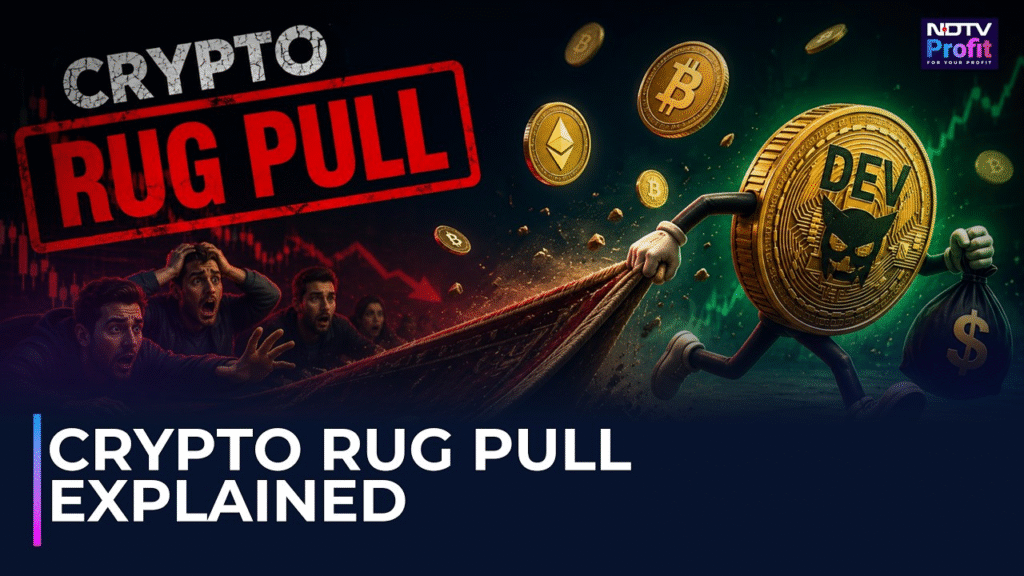
Anatomy of a Meme Coin Rug Pull in 2026: How Scammers Steal $5K Daily Introduction: The $5K Daily Drain on Unsuspecting Traders Every single day in 2026, scammers are successfully draining an average of $5,000 from unsuspecting meme coin traders. That’s not a typo, and it’s not slowing down. While the crypto industry has matured […]
Why this matters
Anatomy of a Meme Coin Rug Pull in 2026: How Scammers Steal $5K Daily
Introduction: The $5K Daily Drain on Unsuspecting
Traders
Every single day in 2026, scammers are successfully draining an average of $5,000 from unsuspecting meme coin traders. That’s not a typo, and it’s not slowing down. While the crypto industry has matured in many ways, the meme coin sector remains a breeding ground for sophisticated exit scams that prey on newcomers and experienced traders alike.
The anatomy of a modern rug pull has evolved beyond simple “developer runs away with money” scenarios. Today’s scammers employ sophisticated smart contract manipulation, psychological warfare, and social engineering tactics that would make traditional con artists jealous. Understanding exactly how these schemes work isn’t just educational—it’s essential financial self-defense.
In this comprehensive exposé, we’ll dissect the three critical components of a 2026 meme coin rug pull: the technical mechanisms that trap your funds, the psychological tactics that get you to invest in the first place, and the on-chain signals that can save you from becoming another statistic. Whether you’re completely new to crypto or have been trading for years, the tactics we’ll cover are being refined and deployed against traders every single day.
Section 1: The Liquidity Trap – How Your Money Gets Locked,
Understanding Liquidity Pools and Their Vulnerabilities
Before we can understand how rug pulls work, you need to grasp the fundamental mechanism that makes decentralized token trading possible: liquidity pools. Unlike traditional exchanges where buyers and sellers are matched, decentralized exchanges (DEXs) use pools of tokens that traders swap against.
When a new meme coin launches, the developers typically create a liquidity pool by depositing both their new token and an established cryptocurrency (usually ETH, BNB, or SOL) into a smart contract. Let’s say they deposit 1 billion SCAMCOIN tokens and 10 ETH. Traders can then swap their ETH for SCAMCOIN and vice versa, with the exchange rate determined by the ratio of tokens in the pool.
Here’s where the vulnerability emerges: whoever provides that liquidity receives “LP tokens” that represent their ownership share of the pool. These LP tokens are the keys to the kingdom—they allow the holder to withdraw both sides of the liquidity pair at any time.
In legitimate projects, these LP tokens are either “burned” (sent to an address that nobody controls, making withdrawal impossible) or locked in a time-lock contract that prevents removal for a specified period. In rug pull schemes, developers maintain control of these LP tokens, creating a trap door they can pull at any moment.
The Moment of the Rug: How Liquidity Removal Works
The actual execution of a liquidity rug pull happens in seconds, but the consequences last forever. Here’s the exact sequence of events:
Step 1: The Setup – Scammers launch their meme coin with an initial liquidity pool. To avoid immediate suspicion, they might even lock a small percentage of liquidity (perhaps 10-20%) while maintaining control of the majority.
Step 2: The Accumulation – As genuine traders discover the token and begin buying, the ETH (or other base currency) in the pool grows while the token supply decreases. The scammers watch their side of the pool become increasingly valuable. A pool that started with 10 ETH might now contain 50 ETH or more.
Step 3: The Pull – In a single transaction, the scammer uses their LP tokens to withdraw all remaining liquidity from the pool. They receive both the accumulated ETH from buyers AND a large portion of their original tokens back. The transaction takes 3-12 seconds to confirm on most blockchains.
Step 4: The Aftermath – With no liquidity remaining, the token becomes worthless and unsellable. Traders holding the token are left with bags of coins that literally cannot be sold for any amount of money. The token’s price chart shows what appears to be a 99.9% drop, but the reality is worse—there’s no price at all because there’s no liquidity to sell into.
What makes this particularly insidious is that the blockchain processes this as a completely legitimate transaction. The scammer isn’t “hacking” anything—they’re simply using the permissions they built into the system from day one.
The Honeypot Trap: When You Can Buy But Can’t Sell
A more sophisticated variant of the liquidity rug is the “honeypot” contract—a particularly cruel innovation that’s become increasingly common in 2026. In this scheme, the liquidity isn’t removed at all. Instead, the smart contract contains hidden code that prevents anyone except the creator from selling.
Here’s how traders fall into this trap:
You discover a new meme coin that appears to be mooning. The chart shows consistent upward price movement, the volume looks healthy, and other traders seem to be buying in. What you don’t realize is that every single “buy” you’re seeing is either the scammer or their accomplices—and they’re the only ones who CAN sell.
When you attempt to sell your tokens, the transaction fails. Depending on how the contract is coded, you might receive error messages like “insufficient gas,” “slippage tolerance exceeded,” or the transaction might just silently fail. Some traders, assuming it’s a technical glitch, will increase their gas fees and slippage settings, burning more money on failed transactions.
The genius (from a scammer’s perspective) of the honeypot is that it can run indefinitely. While a liquidity rug is a one-time exit, a honeypot can continuously drain money from new victims who keep buying into what appears to be a rising asset. The scammers slowly sell into the buying pressure, extracting value while maintaining the illusion of a functional market.
Detecting honeypots requires either reviewing the contract code yourself (which most traders can’t do) or using specialized tools that simulate sell transactions before you buy. We’ll cover specific detection methods in Section 3.
Section 2: Manufactured FOMO – The Psychological Manipulation Playbook
Fake Volume and Wash Trading Tactics
Before scammers can steal your money, they first need to get you to invest. This is where sophisticated social engineering and market manipulation come into play. The technical trap is useless without victims, and in 2026, the techniques for attracting victims have become disturbingly effective.
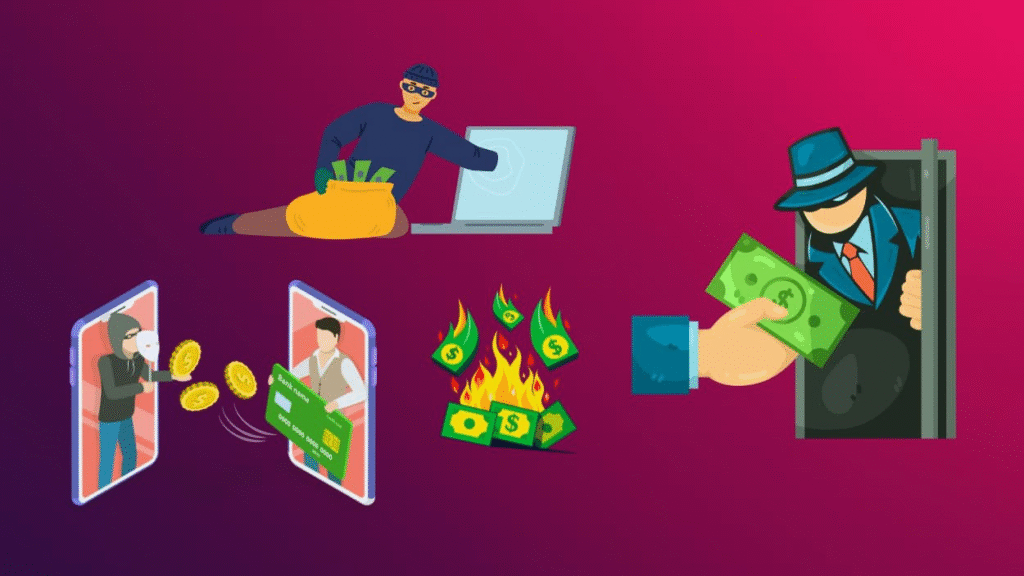
Wash trading—where the same entity executes both sides of a trade to create the appearance of volume—is the foundation of most meme coin scams. Here’s what a typical wash trading operation looks like:
The scammer controls multiple wallets (often 20-50 different addresses to avoid detection). These wallets trade the new token back and forth, creating what appears to be organic trading activity. On popular tracking platforms like DEXScreener or DexTools, the token shows impressive volume numbers—perhaps $500K in 24-hour volume for a coin that launched yesterday.
What makes this particularly deceptive in 2026 is the sophistication of the wash trading patterns. Early crypto scams would show obviously fake volume with perfect round numbers or obviously coordinated timing. Modern scammers use algorithms that randomize trade sizes, introduce realistic delays between transactions, and even simulate price discovery with small dips and rallies.
The volume creates multiple psychological effects:
1. Social Proof: High volume signals that “other people” are interested in this token, triggering FOMO (fear of missing out).
2. Legitimacy: Projects with consistent volume appear more established and less likely to be scams.
3. Chart Appeal: Volume bars that match price movements create the technical analysis patterns that traders look for, making the token appear to be in healthy accumulation or breakout phases.
Here’s the critical insight: volume alone tells you NOTHING about a token’s legitimacy. Even multimillion-dollar daily volume can be 100% fabricated at minimal cost to the scammer, since they’re essentially trading with themselves and only paying gas fees.
Coordinated Shill Campaigns Across Social Media
While fake on-chain activity creates the appearance of legitimacy, the real manipulation happens on social media—where most traders actually discover new meme coins. The modern shill campaign is a multi-platform, coordinated operation that would rival legitimate marketing agencies in its sophistication.
The Twitter/X Blitz: Scammers deploy dozens of fake accounts that appear to be regular crypto traders. These accounts have realistic post histories (often stolen and slightly modified from real traders), follower counts in the hundreds or low thousands, and profile pictures generated by AI. When a new scam token launches, these accounts simultaneously begin posting about it, each with slightly different messaging to appear organic.
Some posts express “caution but interest” (“Not sure about this one but the chart looks interesting…”), others share fake success stories (“Just 5x’d on this in an hour!”), and still others post technical analysis or fundamental research that’s entirely fabricated.
The key is volume and apparent diversity. When you search for the token name, you see dozens of different “people” discussing it from various angles, creating the impression of genuine grassroots interest.
The Telegram Pump: Many scam operations create Telegram groups that appear to be organic communities forming around the new token. The scammers control hundreds of accounts that join these groups and participate in discussions. Real traders who join see what appears to be an active, enthusiastic community.
The conversation is carefully scripted: artificial questions from fake newbies that allow “experienced” community members (also scammers) to explain why the token is valuable, planted FUD (fear, uncertainty, doubt) that gets “debunked” by the community, and carefully timed announcements of fake partnerships or developments.
Modern Telegram bots make this easier than ever. A single person can operate dozens of realistic-seeming accounts that post at randomized intervals, react to messages with emojis, and even engage in back-and-forth conversations with each other.
The Reddit Organic Play: Reddit’s voting system and community culture make it particularly vulnerable to manipulation. Scammers create posts about their token on popular cryptocurrency subreddits, then use multiple accounts to upvote these posts rapidly, propelling them to the “hot” section where genuine users will see them.
The posts are crafted to appear authentic—often framed as “PSA” warnings about missing out, “research” posts with fake fundamentals, or even memes that incorporate the token’s branding. Comments on these posts are seeded by controlled accounts to steer the conversation and provide fake testimonials.
Celebrity Deepfakes and Fake Endorsements
One of the most alarming developments in 2026 meme coin scams is the use of AI-generated deepfake videos featuring celebrities, influencers, or respected crypto figures appearing to endorse the scam token.
These videos have become remarkably sophisticated. Using publicly available footage and advanced AI voice cloning, scammers can create a video of someone like Elon Musk, Vitalik Buterin, or popular crypto YouTubers appearing to discuss and endorse a specific meme coin. The video quality is good enough that most viewers won’t notice it’s fake, especially when viewing on a mobile device or when already primed by confirmation bias.
The deepfakes typically run 15-60 seconds—long enough to deliver a message but short enough that subtle imperfections don’t become obvious. They’re deployed across platforms as “leaked clips” or “deleted videos” to explain why they’re not on the celebrity’s official channels.
Scammers have also evolved fake screenshot techniques. Fabricated tweets from influential figures, fake Discord messages from project founders, and photoshopped partnership announcements circulate alongside the token launch. These are often distributed in compressed or low-resolution formats where image forensics are difficult.
What makes these tactics particularly effective is the speed of meme coin cycles. By the time a celebrity or company issues a statement denying involvement, the scam has often already succeeded and moved on to the next token.
The Artificial Scarcity Technique
The final psychological manipulation technique worth understanding is the creation of artificial scarcity and urgency. Scammers have learned that giving potential victims time to think or research usually results in them not investing, so the entire operation is designed to compress the decision-making timeline.
This manifests in several ways:
1. The Presale Countdown: Many scam tokens announce a “presale” phase with a ticking countdown timer, often set to expire within 24-48 hours. The messaging emphasizes that presale participants get a discount or bonus tokens, creating urgency to buy before conducting proper research.
2. Supply Cap Announcements: Fake announcements that the token has a “max supply” that’s rapidly being claimed create false scarcity. Messages like “Only 35% of supply remaining!” or “Presale 80% filled!” trigger panic buying.
3. Staged Price Increases: Some scams announce that the price will increase in predetermined stages (“Price increases by 20% every 1000 buyers!”), creating a game-theory situation where victims believe buying earlier is always better than buying later.
4. Coordinated Buy Pressure: As the launch approaches, the scammers’ controlled wallets execute increasingly large buys, creating sharp upward price movement. This serves dual purposes: it triggers “mooning” alerts on tracking platforms, and it makes anyone watching feel that the rocket is leaving without them.
All of these tactics share a common goal: preventing you from taking the time needed to conduct basic due diligence. The entire operation is optimized for impulse decisions driven by greed and FOMO rather than rational analysis.
Section 3: On-Chain Red Flags That Scream ‘Danger’
Contract Code Warning Signs Every Trader Should Know
While social engineering gets you to the door, the smart contract is where the actual theft occurs. Understanding what to look for in a token’s contract code can mean the difference between protecting your funds and losing everything.
You don’t need to be a programmer to check for the most dangerous red flags. Several free tools can analyze contracts and highlight concerning functions. Here are the critical warning signs:
1. Hidden Mint Functions: Legitimate tokens typically have a fixed supply or clearly disclosed inflation schedule. Scam contracts often include hidden functions that allow the creator to mint unlimited new tokens at will. When activated, this function floods the market with new supply, diluting existing holders’ value to zero while the creator sells into the chaos.
Look for functions named `mint`, `createTokens`, or similar variants that have owner-only modifiers. While not all mint functions are malicious (some legitimate tokens have controlled inflation), any token that doesn’t explicitly disclose this capability should be treated as extremely high risk.
2. Blacklist/Whitelist Functions: Many scam contracts include functions that allow the owner to blacklist specific wallet addresses from selling. This is the technical implementation of the honeypot trap discussed earlier.
These functions might be named `blacklist`, `addToBlacklist`, `excludeFromSelling`, or hidden behind more innocuous names like `setProtection` or `updateRestrictions`. When activated, blacklisted addresses can buy but cannot sell—their tokens become permanently trapped.
Some sophisticated scams implement a whitelist instead, where only approved addresses can sell. The contract might allow normal buying but automatically blocks sells from addresses not on the approved list.
3. Excessive Owner Privileges: In legitimate token contracts, the owner should have minimal special privileges, and those privileges should be clearly documented and limited. Red flags include:
– The ability to pause trading at will
– The ability to change transaction taxes or fees after launch
– The ability to access liquidity pool tokens
– Unrestricted transfer functions that bypass normal trading rules
– The ability to change maximum transaction sizes or wallet limits after launch
4. Complex or Obfuscated Code: While legitimate complex contracts exist, unnecessary complexity in a meme coin contract is a warning sign. Scammers sometimes deliberately make their code difficult to read by:
– Using meaningless variable and function names
– Splitting malicious functions across multiple inherited contracts
– Including large amounts of commented-out or dead code to bury the dangerous functions
– Implementing proxy patterns that hide the real contract logic
If a simple meme token has a contract that looks like it was designed for a complex DeFi protocol, that’s a red flag.
5. Using Verified Contract Analysis Tools: Don’t rely on manual code review alone. Several platforms provide automated contract analysis:
– Token Sniffer: Analyzes contracts for common scam patterns and provides a risk score
– Honeypot.is: Specifically tests whether a token allows selling by simulating transactions
– BSCheck (for Binance Smart Chain): Tests for common honeypot and rug pull mechanisms
– DEXTools Contract Audit: Provides automated security checks on new token contracts
Never invest in a token without running it through at least two of these tools. If the tools show different results or if any tool flags serious concerns, that’s an automatic pass.
Trade Your Gift Card With Xbanka
Liquidity Lock Analysis: The First Thing to Check
Before you evaluate anything else about a meme coin, check the liquidity lock status. This single factor is the most reliable predictor of whether a project is a rug pull waiting to happen.
Here’s your liquidity lock checklist:
1. Is liquidity locked at all? Many tracking platforms (DexTools, DEXScreener, etc.) display liquidity lock status directly. If you see “Liquidity: Unlocked” or no lock information, assume the worst. A legitimate project will prominently advertise their lock.
2. What percentage is locked? Even if some liquidity is locked, scammers sometimes lock a small amount (10-20%) while keeping control of the majority. Look for at least 80% of liquidity locked, preferably 95-100%. If the team claims they need to keep some unlocked for “marketing” or “development,” that’s a red flag.
3. How long is the lock? A 24-hour or 7-day lock is meaningless—it just delays the rug pull. Legitimate projects lock liquidity for months or years. Look for minimum lock periods of:
– 6 months for highly speculative plays
– 1+ years for projects claiming any level of seriousness
– Multiple years or permanent burns for projects with long-term roadmaps
4. Which platform holds the lock? The most common liquidity lock platforms include Unicrypt, Team Finance, Mudra, and PinkLock (now PinkSale Lock). These are generally trustworthy. Be suspicious of:
– Locks on platforms you’ve never heard of
– Locks on the team’s own contract (they could have backdoors)
– Vague claims that liquidity is “locked” without specifying where or how
5. Can you verify it yourself? Don’t trust screenshots or claims. Go to the lock platform directly and search for the token contract address. Verify:
– The amount locked matches what’s claimed
– The unlock date is as advertised
– The lock hasn’t been withdrawn or modified
The Liquidity Burn Alternative: Some projects skip locking entirely and instead “burn” their LP tokens—sending them to a dead address that nobody controls, making them permanently irretrievable. This is actually more secure than a time lock.
To verify a liquidity burn, check the top holders of the LP token (not the project token, but the LP token from the DEX). You should see a significant percentage held by the burn address (usually 0x000000000000000000000000000000000000dEaD on Ethereum-compatible chains).
Red Flag Scenario: The most common liquidity scam in 2026 is the “lock extension rug.” Scammers lock liquidity for a seemingly legitimate period (say, 6 months), building trust and allowing the token to develop a community. Then, days before the lock expires, they announce a “lock extension” to show continued commitment. But instead of extending, they wait for the original lock to expire and immediately pull all liquidity. Always note lock expiration dates and watch these periods carefully.
Wallet Distribution Patterns That Reveal Scam Projects
How tokens are distributed among wallet addresses tells you enormous amounts about a project’s legitimacy. Scammers can fake social media hype and manipulate charts, but the on-chain wallet distribution is harder to disguise.
Here’s how to analyze wallet distribution for red flags:
1. Top Holder Concentration: Check what percentage of the total supply is held by the top wallets. Most DEX tracking platforms show this information. Warning signs include:
– Any single wallet holding more than 5% of supply (excluding locked liquidity and verified burn addresses)
– Top 10 wallets collectively holding more than 30-40% of supply
– Multiple wallets holding suspiciously similar amounts (suggesting one person controlling multiple wallets)
2. Developer Wallet Holdings: If the development team holds a large percentage, they can dump on the market at any time. While some allocation for developers is normal in legitimate projects, it should be:
– Clearly disclosed and explained
– Vested over time (locked with gradual release)
– Reasonable in size (typically 5-10% maximum)
If the developer wallet holdings aren’t mentioned anywhere in the project’s materials, that’s a red flag.
3. Insider Wallet Activity: This requires more advanced analysis but is worth the effort for significant investments. Look at the wallets that bought in the first few minutes or hours after launch:
– Did they buy at exactly the same time?
– Do they have similar wallet histories?
– Have they all been inactive since buying (suggesting they’re controlled wallets waiting to dump)?
– Do their addresses show patterns (sequential numbers, similar character strings)?
Tools like Etherscan, BscScan, or Solscan let you click through to individual wallet addresses and examine their history. If the top holders all appear to be fresh wallets created just before or just after the token launch, that strongly suggests they’re controlled by the scammer.
4. The Distribution Timeline: Look at when major wallets acquired their holdings:
– Wallets that bought in the first block or first few seconds after launch are likely insiders
– If 50%+ of the supply was acquired before any marketing or announcements, those are insider wallets
– A healthy project shows gradual distribution over time as more people discover it
– A scam shows front-loaded distribution to insider wallets
5. Wallet Funding Sources: For Ethereum and similar chains, you can track where wallets got the ETH they used to buy tokens. If the top holder wallets all received their ETH from the same source address, they’re likely controlled by the same entity.
6. The Sniper Bot Indicator: Some wallet concentration is from “sniper bots”—automated tools that buy tokens at the instant of launch hoping for quick profits. While bots are annoying, they’re not necessarily a scam indicator. The difference:
– Bot wallets typically sell relatively quickly (within minutes to hours)
– Bot wallets show history of sniping many different tokens
– Scammer wallets hold indefinitely and show no previous trading history
Transaction Pattern Analysis: Spotting Coordinated Manipulation
Beyond static wallet holdings, the pattern of transactions reveals coordination and manipulation that indicates a scam in progress.
1. Wash Trading Patterns: We discussed wash trading earlier, but how do you spot it on-chain? Look for:
– The same wallets trading back and forth repeatedly
– Perfectly matched buy and sell amounts (exactly round numbers)
– Unrealistic trading patterns (why would someone buy and sell the same token 50 times in an hour at similar prices?)
– Volume that doesn’t match holder growth (huge trading volume but very few unique holders)
2. Coordinated Buy Walls: This is a manipulation technique where scammers place large buy orders at specific price points to create the appearance of support and prevent the price from falling. Check the order book on the DEX:
– Large buy orders at round psychological numbers (e.g., exactly at $0.001)
– These orders mysteriously cancel or move when the price approaches them
– The same wallet addresses repeatedly placing and canceling large orders
3. The Pump Pattern: Just before a rug pull, scammers often execute a final pump to attract maximum victims. This looks like:
– Sudden increased buying pressure from multiple wallets
– Buy transactions happening in rapid succession
– Price increase of 50-300% within a short period (minutes to hours)
– Trading volume exploding compared to previous averages
– Then, after peak price and volume, immediate silence before the rug pull
If you’re watching a token and see this pattern, it’s often the final accumulation before the exit. This is the most dangerous time to enter.
4. First Buy/First Sell Analysis: Look at who was the very first buyer and very first seller:
– Was the first buyer a fresh wallet that has never traded before? (Insider)
– Did the first sellers all sell within minutes? (Likely bots or insiders taking quick profits)
– Are there any sellers at all in the first hours? (If nobody is selling despite price increases, it might be a honeypot)
The Tools for Transaction Analysis:
– BubbleMaps: Visualizes token holder connections, showing which wallets are likely controlled by the same entity
– DEXScreener Transaction Feed: Real-time transaction monitoring to spot patterns
– Etherscan/BscScan Token Transfers Tab: Complete transaction history for detailed analysis
– Dextools Live Trades: Shows buyer and seller behavior in real-time
Protecting Yourself: A Practical Safety Checklist
Knowledge is only valuable if applied. Here’s a concrete checklist to follow before investing in any meme coin:,
Cash Out Instantly With Xbanka
1. Pre-Investment Research (15-30 minutes minimum):
□ Run the contract through at least 2 automated scanning tools (Token Sniffer, Honeypot.is, etc.)
□ Verify that at least 80% of liquidity is locked or burned
□ Check lock duration is minimum 6 months, preferably longer
□ Verify the lock on the platform’s official website (don’t trust screenshots)
□ Examine top 10 holder distribution – no single wallet above 5%, top 10 combined under 40%
□ Check when top wallets acquired their tokens (spread over time = good, all at launch = bad)
□ Review the contract for mint functions, blacklist capabilities, and excessive owner privileges
□ Search for the token name on Twitter/X – does it show organic discussion or coordinated shilling?
□ Visit the project’s Telegram/Discord – does the community seem real or artificially enthusiastic?
□ Verify any claimed partnerships, audits, or celebrity endorsements independently
Red Flags That Mean Automatic ‘No’:
– Liquidity unlocked or locked for less than 1 month
– Contract can’t be verified on scanners or shows as honeypot
– Anonymous team with zero verifiable credentials
– Promises of guaranteed returns or “can’t lose” messaging
– Extremely aggressive marketing with urgent countdown timers
– Heavy marketing before liquidity is locked
– Team asking for wallet addresses or private keys
– Contract has mint, pause, or blacklist functions
Risk Management Rules:
1. Never invest more than you can afford to lose completely – meme coins should be <5% of any crypto portfolio
2. Take profits systematically – if you’re up significantly, sell portions to secure gains
3. Set stop-losses mentally – decide your exit point before buying and stick to it
4. Don’t average down – if a meme coin is falling, adding more is often throwing good money after bad
5. Beware of recovery pumps – after an initial dump, scammers sometimes pump again to catch desperate holders
Advanced Protection Techniques:
– Use a dedicated wallet: Keep a separate wallet for high-risk meme coin trading, funded with only what you’re willing to lose
– Test sells before large buys: Buy a tiny amount first, then immediately try to sell it to verify the contract allows selling
– Monitor the lock countdown: Set calendar reminders for when liquidity locks expire
– Watch the developer wallet: Use wallet tracking services to get alerts if the dev wallet makes any movements
– Join watch communities: Communities like the “RugDoc” Discord share real-time alerts about suspicious projects
Conclusion: Staying Safe in the Meme Coin Wild West
The meme coin sector in 2026 remains a high-risk, high-reward environment where scammers have professionalized their operations to an alarming degree. The $5,000 daily drain we discussed at the start is a conservative estimate—the actual number is likely far higher when accounting for unreported losses and scams that haven’t been publicly identified.
But here’s the important nuance: not all meme coins are scams. Some legitimate projects exist in this space, and some traders do make life-changing returns. The difference between being a statistic and being successful is due diligence, patience, and healthy skepticism.
The scammers rely on your greed, your FOMO, and your willingness to skip basic research in hopes of quick profits. Every tactic we’ve discussed—from honeypot contracts to deepfake endorsements—is designed to short-circuit your rational decision-making and trigger emotional impulse buying.
Your defense is simple: slow down. The projects worth investing in will still be there after you’ve spent 30 minutes on research. The scams, meanwhile, rely on urgency and will try every trick to prevent you from taking that time.
Remember these core principles:
– Liquidity lock status is non-negotiable—never invest in unlocked liquidity
– Contract code doesn’t lie—use automated tools to check for honeypots and malicious functions
– Distribution patterns reveal insider control—check who holds what and when they got it
– Social proof can be manufactured—verify everything independently
– If it seems too good to be true, it absolutely is
The meme coin wild west isn’t going anywhere. As long as there’s potential for quick profits, there will be both legitimate opportunities and sophisticated scams. Your job isn’t to avoid the space entirely—it’s to navigate it with your eyes open, armed with knowledge of how the traps work and how to spot them before you step in.
Stay skeptical, do your research, and never invest more than you can afford to lose. The scammers are counting on you to ignore this advice. Don’t make it easy for them.
Frequently Asked Questions
Q1: How can I tell if a meme coin’s liquidity is actually locked?
A: Don’t trust screenshots or claims. Visit the lock platform directly (Unicrypt, PinkLock, Team Finance, etc.) and search for the token’s contract address. Verify that at least 80% of liquidity is locked, check the unlock date, and confirm the lock hasn’t been withdrawn. Look for locks of 6+ months minimum. Alternatively, check if LP tokens are ‘burned’ by viewing the LP token holders and confirming a large percentage is sent to the dead address (0x000000000000000000000000000000000000dEaD).
Q2: What is a honeypot contract and how do I detect one?
A: A honeypot is a malicious smart contract that allows users to buy tokens but prevents them from selling. The contract contains hidden code that blocks sell transactions for everyone except the creator. Detect honeypots using tools like Honeypot.is, Token Sniffer, or BSCheck before investing. These tools simulate sell transactions to verify you can actually exit your position. If you’re already holding a suspected honeypot, the inability to sell (with errors like ‘slippage tolerance exceeded’ or silent transaction failures) is the telltale sign.
Q3: Why do scam tokens sometimes show high trading volume?
A: High volume is easily faked through ‘wash trading’—where scammers control multiple wallets and trade the token back and forth with themselves. This creates the appearance of organic interest and activity while only costing them gas fees. Modern scammers use algorithms to randomize trade sizes and timing to make it look realistic. Volume alone means nothing—always cross-reference with unique holder count and wallet distribution analysis.
Q4: How can I verify if a celebrity or influencer actually endorsed a meme coin?
A: Never trust videos, screenshots, or third-party claims. Go directly to the celebrity or influencer’s official verified social media accounts and search for mentions of the token. If it’s not on their verified account, it’s fake. Be especially wary of ‘leaked’ videos or ‘deleted’ posts—these are common covers for deepfakes and fabrications. If a legitimate endorsement exists, it will be prominently featured on official channels. When in doubt, assume it’s fake.
Q5: What percentage of wallet concentration is a red flag?
A: Warning signs include: any single wallet holding more than 5% of supply (excluding verified burn addresses and locked liquidity), or the top 10 wallets collectively holding more than 30-40% of circulating supply. Also watch for multiple wallets holding suspiciously similar amounts (suggesting one person controlling multiple addresses) and wallets that all acquired tokens at launch (insiders). Use tools like BubbleMaps to visualize wallet connections and identify likely coordinated holdings.
Q6: Is it safe to invest in a meme coin if the contract audit shows no issues?
A: Contract audits help but aren’t foolproof. First, verify the audit is from a legitimate firm (many scams fake audit reports). Second, understand that an audit only covers the code at one point in time—if the contract has upgradeable features or owner privileges, the code can be changed after the audit. Third, an audit saying ‘no critical issues’ doesn’t mean the tokenomics are sound or the team is trustworthy. Always combine audit results with liquidity lock verification, wallet distribution analysis, and team background checks.
Q7: What should I do if I think I’m holding a scam token?
A: First, try to sell immediately—even at a loss, recovering something is better than nothing. If you can’t sell (honeypot), don’t waste money on failed transactions. Document everything (contract address, transaction hashes, promotional materials) and report to the blockchain’s scam database (like Etherscan’s token reporting). Warn others on social media and scam-reporting communities. If losses are significant, consider filing reports with IC3.gov (Internet Crime Complaint Center) or your country’s equivalent, though recovery is unlikely. Most importantly, learn from the experience and improve your due diligence process.
Q8: How do scammers create fake social media hype so convincingly?
A: Scammers deploy sophisticated multi-platform campaigns using dozens to hundreds of controlled accounts. These accounts appear realistic with stolen or AI-generated profile pictures, purchased post histories, and coordinated but varied messaging to seem organic. On Twitter, they use botnet upvotes; on Telegram, coordinated joining and scripted conversations; on Reddit, vote manipulation to reach ‘hot’ sections. Advanced operations use AI to generate unique posts and randomize timing. The volume and apparent diversity of voices creates false social proof. Always verify claims independently and be suspicious of sudden, coordinated enthusiasm around new tokens.