
The Best Platforms to Stream TV Shows Without Subscription
In This Article
Quick overview
The Best Platforms to Stream TV Shows Without Subscription
Stream TV Shows Free Without Subscriptions: Your Complete Guide to Ad-Supported Streaming Watch unlimited TV shows without paying for Netflix, Hulu, or Disney+. The streaming landscape has fundamentally changed, and you no longer need to juggle multiple expensive subscriptions to access quality television content. With the average household now spending over $90 monthly on streaming […]
Why this matters
Stream TV Shows Free Without Subscriptions: Your Complete Guide to Ad-Supported Streaming
Watch unlimited TV shows without paying for Netflix, Hulu, or Disney+. The streaming landscape has fundamentally changed, and you no longer need to juggle multiple expensive subscriptions to access quality television content. With the average household now spending over $90 monthly on streaming services, subscription fatigue has reached a breaking point. Fortunately, a robust ecosystem of completely free, legal streaming platforms has emerged, offering thousands of TV shows without charging viewers a single cent.
The Rise of Free Streaming: Why You Don’t Need to Pay Anymore
The subscription streaming model that dominated the 2010s is giving way to something more sustainable for viewers: ad-supported free streaming. Major media companies have recognized that not everyone will pay for premium services, and they’d rather monetize viewers through advertising than lose them entirely. This shift has created unprecedented opportunities for cost-conscious TV enthusiasts.
Free streaming services now offer everything from classic sitcoms and drama series to recent network shows and even original programming. While you won’t find the latest episodes of premium cable shows or exclusive streaming originals, the content libraries available at zero cost are surprisingly comprehensive and constantly expanding.
Best Free Streaming Platforms for TV Shows
Tubi: The Netflix Alternative You’ve Been Overlooking
Tubi has quietly built the largest free streaming library in North America, with over 50,000 titles including thousands of complete TV series. Owned by Fox Corporation, Tubi offers an impressive range of content spanning multiple decades and genres.
The platform excels in classic television, hosting complete series runs of shows like The X-Files, Buffy the Vampire Slayer, Unsolved Mysteries, and Hell’s Kitchen. For reality TV fans, Tubi provides extensive collections of Gordon Ramsay shows, Forensic Files, and various true crime series. The interface is clean and user-friendly, with personalized recommendations that improve as you watch.
What sets Tubi apart is its surprisingly current content. The platform regularly adds recent network shows within months of their broadcast run, giving cord-cutters access to popular series without antenna requirements. The ad load is reasonable—typically 4-5 minutes per hour, comparable to traditional broadcast television.
Pluto TV: Live Channels Meet On-Demand Convenience
Pluto TV, owned by Paramount, offers a unique hybrid approach combining live streaming channels with on-demand content. The platform features over 250 live channels, many dedicated to specific shows or genres, alongside a substantial on-demand library.
The live channel approach recreates the traditional TV experience. Dedicated channels play continuous marathons of shows like Star Trek, CSI, Survivor, and The Price is Right. This passive viewing option appeals to those who miss channel surfing and don’t want to actively select every episode.
Pluto’s on-demand section includes complete series from the ViacomCBS catalog, including Degrassi, The Andy Griffith Show, and various MTV reality series. The platform also offers curated thematic channels that make discovering new shows effortless.
Amazon Freevee: Prime’s Free Sibling
Formerly IMDb TV, Freevee is Amazon’s completely free streaming service—no Prime membership required. The platform punches above its weight with surprisingly premium content, including original series produced exclusively for the free service.
Freevee’s library includes popular series like Leverage, Lost, Mad Men, The Bachelor, and various Food Network programs. The platform has also invested in original content, producing shows like Bosch: Legacy and Judy Justice that rival paid streaming quality.
Integration with Amazon’s ecosystem means a polished viewing experience with excellent streaming quality. The ad frequency is moderate, and the platform’s recommendation algorithm benefits from Amazon’s sophisticated data analytics.
The Roku Channel: Hardware Manufacturer Turned Content Hub
The Roku Channel began as a small perk for Roku device owners but has evolved into a major free streaming destination available on multiple platforms. The service aggregates content from various providers while also licensing premium series independently.
TV show offerings include The Dick Van Dyke Show, Hell’s Kitchen, Forensic Files II, and a rotating selection of recent cable series. Roku has also begun producing original content and offers premium subscriptions as optional add-ons for viewers who want to centralize their streaming.
The platform’s strength lies in its content discovery features, which help viewers find shows across both free and paid services, then clearly indicate which require subscriptions.
Other Notable Free Platforms
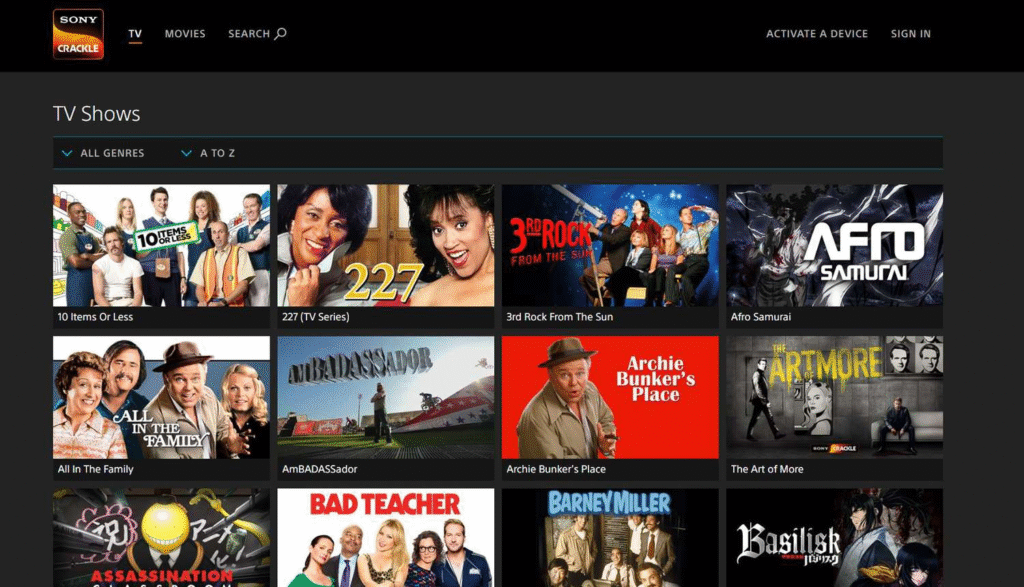
1. Crackle (Sony): Focuses on Sony-owned content with shows like Seinfeld, The Shield, and various sitcoms from Sony Pictures Television’s extensive catalog.
2. Xumo: Offers live channels and on-demand content with a strong selection of news, entertainment, and classic TV programming.
3. Local Now: Provides local news alongside on-demand entertainment, making it valuable for cord-cutters seeking local content.
4. Plex: Originally a media server platform, Plex now offers free streaming with an eclectic mix of classic and international TV shows.
How Ad-Supported Streaming Actually Works
The Business Model Behind Free Content
Ad-supported video on demand (AVOD) services operate on a straightforward principle: advertisers pay for access to viewers, and those advertising dollars fund content licensing and platform operations. This model has existed for decades in broadcast television, but streaming technology has made it significantly more profitable.
Free streaming platforms can target advertisements based on viewing habits, geographic location, and demographic information, making each ad placement more valuable than traditional broadcast commercials. Advertisers pay premium rates for this targeted exposure, generating sufficient revenue to license content libraries and develop original programming.
The economics work because streaming eliminates transmission costs associated with broadcast television. There are no towers to maintain, no satellite bandwidth to purchase, and no cable infrastructure expenses. Platforms can serve millions of viewers using cloud-based content delivery networks that scale efficiently.
What to Expect From the Advertising Experience
Free streaming services typically insert 4-6 minutes of advertisements per hour of content—substantially less than the 15-20 minutes common on cable television. Ad breaks occur at natural intervals, usually aligned with the original commercial breaks if viewing network content.
Advertisement repetition remains the primary frustration. With smaller advertiser pools than premium services, you’ll likely see the same commercials repeatedly during a viewing session. However, this improves over time as platforms expand their advertiser networks.
Most platforms allow you to choose your ad experience in limited ways. Some offer interactive ads that let you select which product category you’d prefer to see, while others provide countdown timers so you know exactly when the show will resume.
Unlike traditional TV, you cannot skip ads or mute without pausing the content. The platforms detect attempts to circumvent advertising and will pause playback until ads complete. This is the trade-off for free access—you exchange time and attention for content rather than money.
Content Licensing and Rotation
Free platforms license content through various arrangements. Some shows are available temporarily through windowed licensing deals, appearing for 3-6 months before rotating off the platform. Others represent permanent library additions that will remain available indefinitely.
Content owners often use free platforms to monetize older catalog titles that no longer generate subscription or purchase revenue. A classic sitcom from the 1970s might not drive Netflix subscriptions, but it can still generate advertising revenue on Tubi or Pluto TV.
Increasingly, content creators are producing shows specifically for free platforms. These AVOD originals are designed with commercial breaks in mind and budgeted based on projected advertising revenue rather than subscription metrics.
Platform-by-Platform Content Comparison
Classic TV Shows (Pre-2000)
Tubi dominates this category with the most comprehensive classic TV library. You’ll find complete series runs of shows from the 1960s through 1990s across all genres. The platform has particularly strong collections of classic sitcoms, westerns, and drama series.
Pluto TV excels with dedicated classic TV channels that create a nostalgic viewing experience. Rather than selecting episodes manually, you can tune into channels devoted to specific eras or genres.
The Roku Channel offers a curated selection of classic hits but with less depth than Tubi or Pluto.
Freevee has limited classic content, focusing instead on more recent programming.
Current Network Shows (2010-Present)
Freevee leads with recent network content, often securing streaming rights to shows within months of their broadcast runs. ABC, CBS, and NBC programs frequently appear here after completing their seasons.
Tubi offers substantial recent content but with more variability in what’s available. The platform secures deals with individual networks and production companies, resulting in excellent coverage of some networks and gaps for others.
The Roku Channel has improved its recent content through partnerships with major studios, though availability remains inconsistent.
Pluto TV primarily focuses on older Paramount content with limited recent network offerings.
Reality TV and Competition Shows
Tubi maintains the strongest reality TV library, with extensive collections of cooking competition shows, home renovation programs, true crime series, and dating shows. The platform has become the go-to destination for reality TV enthusiasts.
Pluto TV offers curated reality channels including dedicated Gordon Ramsay, true crime, and home improvement channels.
Freevee has selective reality content, including The Bachelor franchise and various competition shows.
The Roku Channel provides moderate reality TV coverage without particular specialization.
Original Programming
Freevee produces the highest-quality original content, with shows like Bosch: Legacy demonstrating production values comparable to premium streaming services. These originals help differentiate the platform and attract viewers.
Pluto TV has invested in original content primarily for its live channels, including news programming and lifestyle shows.
Tubi recently began producing original movies and shows, though the library remains small.
The Roku Channel offers limited original programming, focusing instead on content aggregation.
Streaming Quality and Technical Performance
Freevee delivers the most consistent streaming quality, leveraging Amazon’s robust infrastructure. Content streams in HD with minimal buffering on decent internet connections.
The Roku Channel provides excellent technical performance with smooth streaming and quick load times.
Tubi has improved streaming quality significantly, now offering reliable HD streaming, though quality can vary based on server load.
Pluto TV sometimes struggles with consistency, particularly on its live channels during peak viewing times.
Platform Availability and Accessibility
Tubi: Available on virtually every device—smartphones, tablets, streaming boxes, smart TVs, gaming consoles, and web browsers. No account required, though registration enables watchlist features.
Freevee: Accessible through Amazon Fire devices, Roku, Apple TV, smart TVs, gaming consoles, and web browsers. Requires free Amazon account for full functionality.
Pluto TV: Widely available across devices including smartphones, streaming boxes, smart TVs, and browsers. No account registration necessary.
The Roku Channel: Initially Roku-exclusive, now available on Amazon Fire TV, Samsung TVs, web browsers, and mobile devices. Account registration recommended for cross-device synchronization.
Limitations and Realistic Expectations
While free streaming platforms offer impressive content libraries, understanding their limitations helps set appropriate expectations.
What You Won’t Find
Premium cable originals like Game of Thrones, The Last of Us, or Succession remain exclusive to their respective paid platforms. Free services typically can’t justify the licensing costs for these high-demand titles.
Current-season episodes of network shows usually aren’t available—you’ll need to wait until seasons complete before they migrate to free platforms. The exceptions are network-owned platforms that may offer recent episodes with extended ad loads.
Most streaming-exclusive originals from Netflix, Disney+, and other premium services won’t appear on free platforms due to exclusive licensing agreements.
Content Discovery Challenges
Free platforms often have less sophisticated recommendation algorithms than their paid counterparts. Finding specific shows can require more manual searching, and content discovery depends more on browsing than personalized suggestions.
The rotating nature of some licensed content means shows can disappear without warning. Unlike paid services that announce content departures, free platforms may remove titles when licensing agreements expire.
Regional Availability
Content availability varies significantly by country. Most free streaming platforms focus on North American markets, with limited international availability. Even within available countries, specific shows may be restricted based on regional licensing agreements.
Maximizing Your Free Streaming Strategy
Using Multiple Platforms
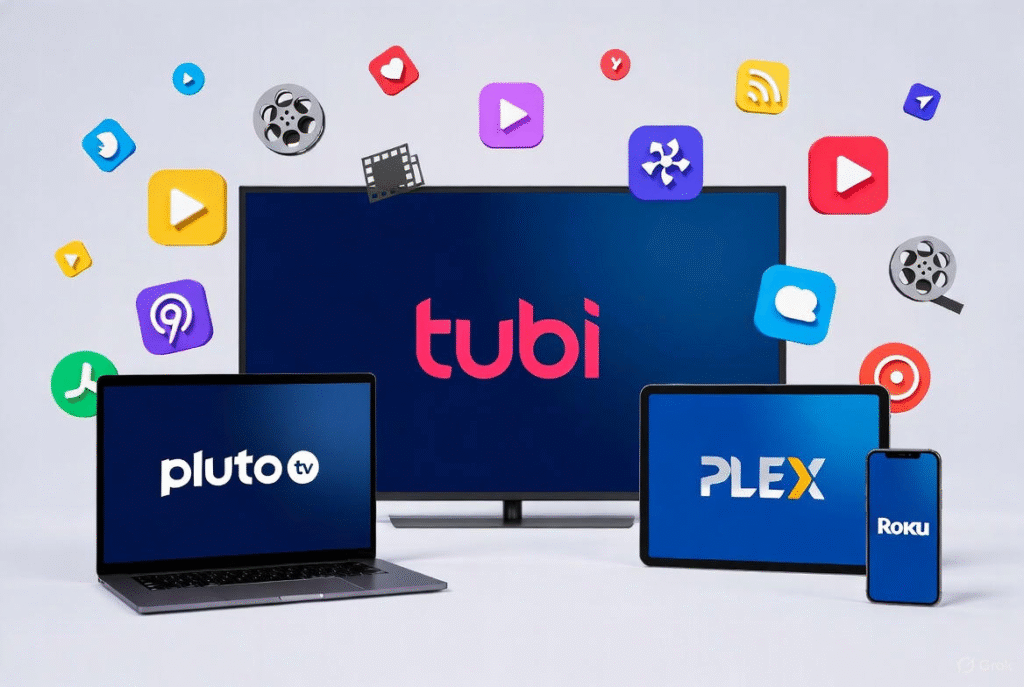
The beauty of free streaming is that you can use every platform simultaneously without financial consequences. Install apps for Tubi, Freevee, Pluto TV, and The Roku Channel to access the widest possible content library.
Create a system for tracking which shows exist on which platforms. Browser bookmarks or a simple note file helps you remember where to find specific series.
Combining Free and Paid Services Strategically
Rather than maintaining year-round subscriptions to multiple services, consider rotating one paid subscription while using free platforms as your baseline. Subscribe to Netflix for a month, watch everything you want, cancel, then switch to HBO Max the following month—all while maintaining constant access to free content.
This rotation strategy can reduce annual streaming costs by 60-70% while still providing access to premium content periodically.
Enhancing the Ad Experience
Use commercial breaks productively. Keep a book nearby, do quick household tasks, or catch up on messages during ads. This transforms advertising time from annoying interruption to productive multi-tasking opportunity.
Watch on devices with better speakers or headphones—many free platform ads are quieter than they appear on TV speakers, reducing their intrusive nature.
The Future of Free Streaming
The free streaming sector is experiencing rapid growth and evolution. Major media companies increasingly view AVOD as essential to their long-term strategies rather than supplementary revenue sources.
Expect continued improvement in content quality and quantity as platforms compete for viewer attention. Some analysts predict that premium streaming services may eventually offer free, ad-supported tiers for their content libraries, further expanding free viewing options.
Original programming investments will likely increase as platforms seek to differentiate themselves and reduce licensing costs. Free streaming originals may eventually rival paid services in production quality and cultural impact.
Technological improvements will enhance the viewing experience. Better ad targeting reduces repetition, improved streaming infrastructure ensures consistent quality, and enhanced recommendation algorithms help viewers discover content more easily.
Conclusion: Cutting Costs Without Cutting Entertainment
The notion that quality television requires expensive subscription fees is outdated. Free, ad-supported streaming platforms now offer thousands of TV shows spanning every genre and era, providing entertainment value that rivals paid services for many viewers.
By strategically using platforms like Tubi, Freevee, Pluto TV, and The Roku Channel, you can build a comprehensive viewing experience without monthly fees. The trade-off is simple: watch a few minutes of advertisements per hour instead of paying $15-20 monthly per service.
For TV enthusiasts overwhelmed by subscription fatigue, free streaming represents a sustainable alternative that respects both your time and budget. You won’t access everything immediately, but you’ll discover that the available content is far more extensive than you imagined—and it’s genuinely free, legally provided, and constantly expanding.
The streaming revolution promised unlimited entertainment at affordable prices. Free, ad-supported platforms are finally delivering on that promise.
Frequently Asked Questions
Q1: Are free streaming services legal and safe to use?
A: Yes, the free streaming platforms mentioned in this article—including Tubi, Pluto TV, Freevee, and The Roku Channel—are completely legal and safe. These services are owned and operated by major media corporations (Fox, Paramount, Amazon, and Roku) and have legitimate licensing agreements for all their content. They generate revenue through advertising rather than subscriptions, making them sustainable businesses. Unlike illegal streaming sites, these platforms won’t expose you to malware, legal risks, or content piracy issues.
Q2: How much advertising should I expect on free streaming platforms?
A: Free streaming services typically show 4-6 minutes of commercials per hour of content, which is significantly less than the 15-20 minutes common on cable television. Ad breaks occur at natural intervals, usually matching the original commercial breaks from broadcast TV. The main frustration is ad repetition—you may see the same commercials multiple times during a viewing session because free platforms have smaller advertiser pools than premium services. However, this is the trade-off for accessing thousands of shows without paying subscription fees.
Q3: Can I watch current TV shows on free streaming platforms?
A: You can watch current TV shows on free platforms, but typically not the most recent episodes. Network shows usually appear on free streaming services several months after their seasons complete airing. Freevee and Tubi often acquire recent network series within 3-6 months of their broadcast runs. However, you won’t find current-season episodes of most shows, premium cable originals, or exclusive streaming series from paid platforms like Netflix or Disney+. For the most recent content, you’ll still need either an antenna for broadcast TV or paid streaming subscriptions.
Q4: Do I need to create accounts to use free streaming services?
A: Account requirements vary by platform. Tubi and Pluto TV allow you to watch without creating an account, though registration enables features like watchlists and viewing history. Freevee requires a free Amazon account for full functionality. The Roku Channel recommends registration for cross-device synchronization but allows some viewing without an account. Creating accounts is generally recommended because it enhances the viewing experience with personalized recommendations, the ability to resume shows across devices, and organized watchlists—all while remaining completely free.
Q5: Which free streaming platform has the best content library?
A: Tubi currently offers the largest free streaming library with over 50,000 titles, making it the best overall choice for content variety. However, the ‘best’ platform depends on your preferences: Tubi excels in classic TV and reality shows; Freevee offers the highest-quality original programming and recent network content; Pluto TV provides unique live channel options for passive viewing; and The Roku Channel offers excellent content discovery across both free and paid services. The optimal strategy is using multiple free platforms simultaneously since there’s no financial cost to accessing all of them.